Fork in the Road: An American's Field Guide to Benkovac's Best-Kept Culinary Celebrations
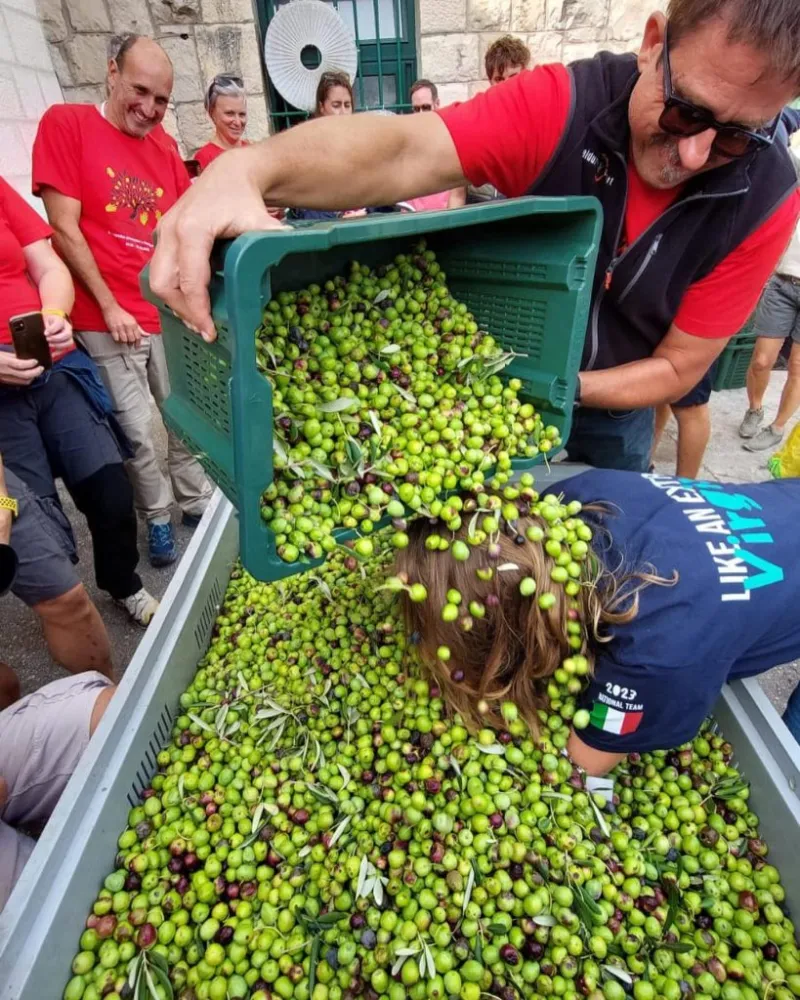
Photo: traditional Dalmatian harvest festival food olive picking Croatia countryside, via total-croatia-news.com
There's a particular kind of travel fatigue that sets in when you've done the greatest hits. You've eaten the truffle pasta in Tuscany, sipped wine in Bordeaux, done the food tour in Barcelona. The experiences were great — genuinely — but somewhere along the way they started feeling like checking boxes rather than discovering something real.
If that sounds familiar, it might be time to take a different road. Specifically, the one that heads inland from the Dalmatian coast toward Benkovac.
This is not a place that's been packaged for international food tourism. There are no Michelin-starred restaurants with reservation waitlists, no celebrity chefs doing pop-ups, no Instagram walls designed to be photographed. What Benkovac and its surrounding villages do have is a calendar full of seasonal food events rooted in actual agricultural tradition — olive harvests, wine festivals, lamb roasts, cheese tastings — that have been happening long before the concept of "food tourism" existed and will keep happening regardless of whether outside visitors show up.
But visitors are showing up. And the locals, cautiously and on their own terms, are beginning to welcome them.
Spring: When the Tables Come Outside
The Benkovac region shakes off winter slowly. By April, though, the hillsides are green in a way that genuinely surprises people who've only ever seen photographs of Croatia's summer-bleached landscape. This is when the first of the year's food gatherings begin to stir.
Spring in this part of Dalmatia means lamb. Specifically, it means janjetina — spit-roasted lamb that is treated here with the kind of seriousness Americans reserve for championship barbecue. Village gatherings centered on communal lamb roasts happen throughout the spring in settlements around Benkovac, often tied loosely to religious holidays but functioning primarily as neighborhood celebrations that have been running for generations.
"My grandfather organized these gatherings. My father organized them. Now I do," says Stjepan, a farmer whose family has raised sheep in the hills above Benkovac for as long as anyone can remember. "We don't advertise. People just know when it's happening and they come."
For American visitors, getting access to these events requires a little groundwork — asking at local guesthouses, making connections through Radio Benkovac's community programming, or simply being in town and paying attention. The reward is a meal that no restaurant can replicate: lamb cooked over an open fire, served with local bread, young wine, and the particular warmth of people who aren't performing hospitality but genuinely practicing it.
Summer: Olive Oil, Wine, and the Long Dalmatian Table
Summer in the Benkovac area is when the region's winemakers come into their own. The Ravni Kotari plain — the fertile agricultural flatland that Benkovac sits at the edge of — produces wines that remain largely unknown outside Croatia despite being genuinely excellent. Babić, a red grape variety grown almost exclusively in this part of Dalmatia, makes wines with a tannic structure and earthy depth that serious American wine drinkers tend to fall hard for once they encounter them.
Several smaller wineries in the region host informal tasting events through the summer months, some organized, some spontaneous. Winemaker Miroslav, whose family operation has been bottling Babić for three generations, has started welcoming small groups of visitors for harvest-adjacent tastings — not tours in the polished, scripted sense, but genuine conversations over glasses of wine in a working cellar.
"Americans who come here are usually surprised that we're not trying to sell them something," he says, laughing. "We just want to talk about wine. If they buy a few bottles to take home, great. But mostly we want people to understand what this land actually tastes like."
For practical planning: summer events in the region aren't always listed on tourism websites. The Benkovac tourist office maintains a calendar, and Radio Benkovac's local programming regularly mentions community events that don't make it onto official platforms. Flexibility is your best asset — the best experiences here tend to be the ones you didn't schedule three months in advance.
Autumn: The Harvest Season That Changes Everything
If there's a single season that defines the Benkovac food calendar, it's autumn. The olive harvest, which runs roughly from October through December depending on the year's weather, transforms the entire region. Groves that looked quietly decorative all summer suddenly become the center of economic and social life.
Several producers in the area have begun organizing harvest participation experiences — not quite agritourism in the sanitized resort sense, but genuine working invitations where visitors can spend a day picking olives alongside local families before sharing a meal made from the season's first cold-pressed oil. The oil from this region has a grassy, peppery intensity that bears almost no resemblance to the bland supermarket olive oil most Americans grew up with.
"When people taste oil that was pressed yesterday from olives they helped pick that morning, something changes in them," says Gordana, who manages her family's olive grove and has been quietly hosting harvest visitors for the past four years. "They go home and they can never look at a bottle of oil the same way again."
Autumn also brings the fig harvest, wild mushroom season in the surrounding hills, and a scattering of village celebrations that don't have formal names but involve significant quantities of local brandy — rakija — homemade cheese, and dried meats that have been curing since spring.
Practical Notes for American Visitors
A few things worth knowing before you book flights:
Benkovac is most easily reached by flying into Split or Zadar — Zadar is closer, about 45 minutes by car. Renting a car is essentially non-negotiable if you want to reach the smaller villages where the most interesting food events happen. Public transportation exists but is limited.
Most locals speak enough English for basic communication, but learning a handful of Croatian phrases will open doors that remain closed to visitors who don't try. Hvala (thank you) and dobar tek (bon appétit, roughly) go a long way.
Timing matters. The best food experiences in this region are tied to agricultural rhythms, not tourism seasons. September through November is arguably the richest period, but it's also when the weather becomes unpredictable. Pack layers.
Finally — and this is the advice every American who's visited the region eventually gives — slow down. The food culture here is not built for efficiency. Meals take hours. Conversations meander. The best stuff happens when you stop trying to optimize your itinerary and just let the table do its work.
The Bigger Picture
Benkovac isn't trying to become the next big food destination. The producers, winemakers, and farmers who make this region's culinary calendar worth showing up for are primarily feeding their communities, honoring their traditions, and doing work they'd be doing whether or not a single tourist ever arrived.
That's exactly what makes it worth the trip.