Stone, Story, and Strategy: Why American Brands Are Heading to Benkovac to Find Their Voice
There's a running joke in marketing circles that "authentic" is the least authentic word in the industry. Brands have been chasing genuine human connection for so long that the chase itself became a cliché — filtered Instagram grids dressed up as raw moments, polished studio sets designed to look like lived-in kitchens. Consumers, especially younger ones, have developed a near-supernatural ability to smell the fake.
So what happens when a brand actually goes somewhere real?
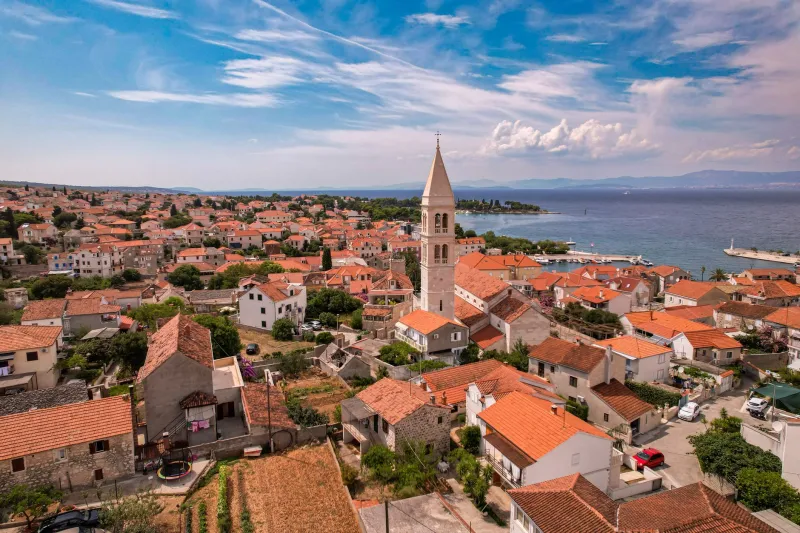
That question is getting answered, slowly but unmistakably, in Benkovac — a town of roughly 11,000 people sitting in the karst highlands of Dalmatia, about 30 kilometers inland from the Adriatic coast. It doesn't have a Michelin-starred restaurant district or a famous film festival. What it has is something harder to replicate: centuries of layered history, a landscape that looks like nothing was ever designed for a camera, and a community that hasn't been prepped for tourism the way so many European destinations have.
And American brands, it turns out, are starting to notice.
Why Polished Stopped Working
The numbers tell the story pretty clearly. Trust in advertising has been declining for years, but the drop accelerated sharply with Gen Z entering the consumer market. Multiple studies — including surveys by Edelman and Morning Consult — have shown that consumers under 30 are significantly more likely to engage with content that feels unscripted, geographically specific, and tied to a real place or person rather than a brand concept.
The response from most marketing departments was to simulate that quality. Raw-looking fonts. Handheld camera wobble. Backgrounds that suggested a coffee shop or a workshop. But simulation has a shelf life, and that shelf life appears to be expiring.
"People don't want the aesthetic of authenticity anymore," said one Brooklyn-based creative director who has worked with several mid-sized consumer brands. "They want proof. They want to feel like you actually went somewhere, talked to someone, made something real."
Benkovac offers that proof in a way that's genuinely difficult to fake.
What the Town Actually Offers
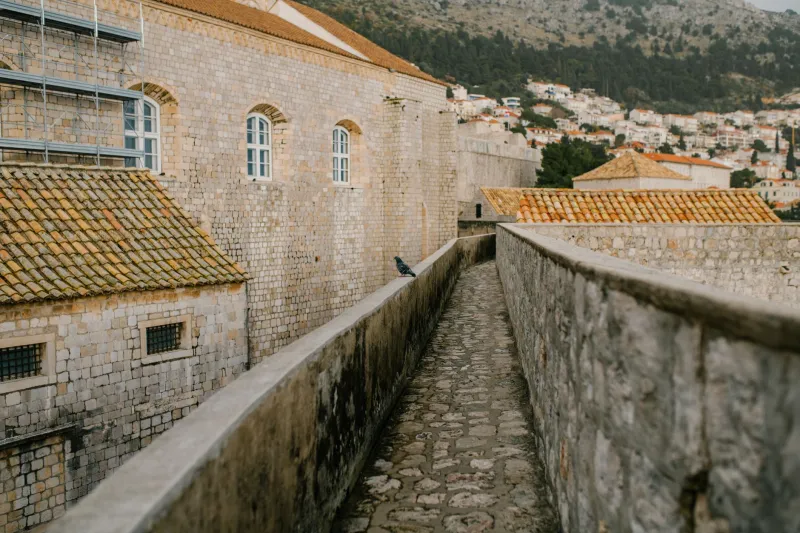
Walk through Benkovac's old town and you're moving through layers of Illyrian, Roman, Ottoman, and Austro-Hungarian history — not as a museum exhibit, but as a living built environment. The stone walls aren't restored for tourists. The market vendors aren't performing a role. The food being prepared in local homes and small konobas uses the same ingredients, the same techniques, that have defined this part of Dalmatia for generations.
For a brand trying to tell a story about craft, heritage, or genuine process, that context is invaluable. You're not constructing a narrative from scratch — you're borrowing one that already exists and has been tested by centuries.
Several American content teams have started making the trip specifically to film origin stories or campaign footage in Benkovac and the surrounding Ravni Kotari region. The appeal isn't just visual, though the landscape — dry stone walls, ancient olive groves, fortress ruins catching the late afternoon light — is undeniably striking. It's the texture of the place. The way the light falls differently here. The fact that nothing about Benkovac has been optimized for a brand shoot.
That lack of optimization is, paradoxically, exactly what makes it work.
The Ethics of It
It's worth pausing here, because this kind of trend raises real questions. When American companies show up in a small Croatian town to harvest authenticity for marketing purposes, is that genuinely respectful, or is it just a more sophisticated form of the same old extraction?
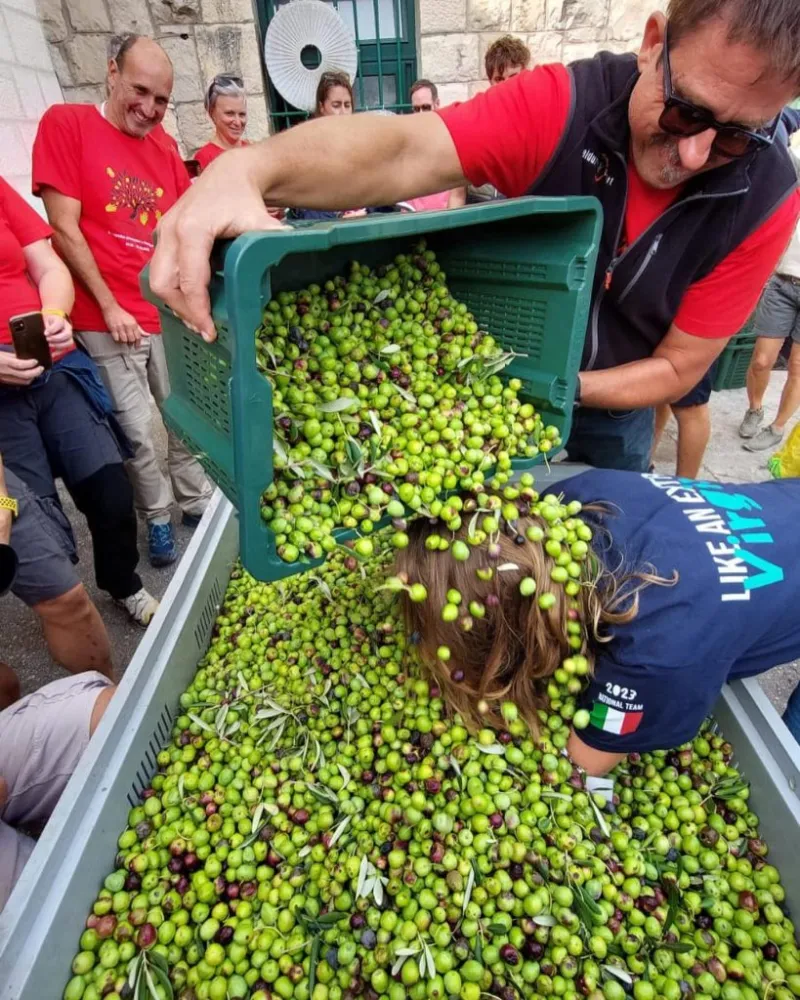
It's a fair concern, and the brands doing this thoughtfully are grappling with it directly. The ones getting it right aren't just using Benkovac as a backdrop — they're engaging with local producers, commissioning local talent, sourcing actual ingredients or materials from the region, and making sure their presence leaves something behind rather than just taking footage home.
There's a meaningful difference between a brand that films a 60-second spot against Benkovac's fortress walls and flies home, and one that spends two weeks working with local food producers, features a Dalmatian musician on the soundtrack, and builds a supply relationship that continues after the cameras stop rolling. The former is tourism. The latter is something closer to genuine cultural exchange — and consumers can tell the difference.
Radio Benkovac has been watching this dynamic play out with real interest. The town's cultural life — its music, its food traditions, its festivals — has always been worth sharing with the wider world. The question is whether the sharing happens on terms that honor what makes the place worth sharing in the first place.
What Gen Z Is Actually Responding To
Here's the thing about younger American consumers that a lot of brand strategists still underestimate: they're not just skeptical of polish. They're actively curious about place. They want to know where things come from, who made them, and what the landscape looked like when the idea was first forming.
Benkovac satisfies that curiosity in a way that a generic "European village" aesthetic simply can't. When a brand says "we developed this product in Dalmatia, in a town called Benkovac, working with a family that's been making olive oil on the same land since the 1800s" — that's a sentence with weight. It has geography. It has specificity. It has the kind of detail that signals someone actually did the work.
That specificity is the whole game now. Vague claims of heritage and craft don't move product anymore. Named places, named people, named processes do.
The Broader Shift This Points To
What's happening with Benkovac is part of a larger reorientation in how the most thoughtful American brands are thinking about storytelling. The era of brand mythology built entirely in-house — origin stories invented in conference rooms, heritage manufactured by design agencies — is running out of steam.
The replacement isn't just "go somewhere real." It's "go somewhere real, stay long enough to understand it, and then tell a story that's actually true." That requires time, humility, and a willingness to let a place shape your narrative rather than forcing your narrative onto a place.
Benkovac, sitting quietly in the Dalmatian highlands with its stone walls and its ancient market rhythms and its completely un-Instagrammed corners, turns out to be a pretty good place to practice that kind of patience.
For American brands willing to make the trip and do the work honestly, the return isn't just better content. It's a story worth telling — which, in the end, is the only kind of marketing that actually lasts.