Reunion Rehearsal: The Quiet Croatian Town Where American Bands Are Figuring Out If They Still Like Each Other
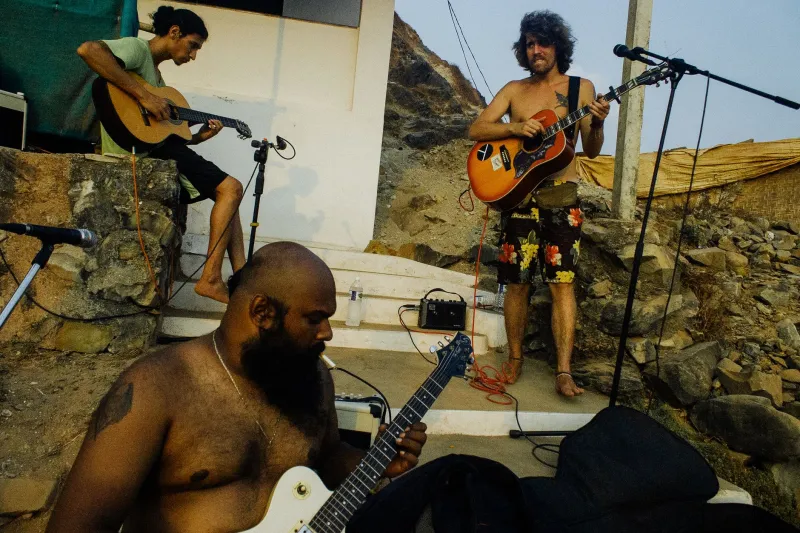
The band reunion announcement is one of the most reliable content cycles in American music. The cryptic social media posts. The joint interview where everyone insists the old tensions are behind them. The stadium tour announcement. The merch drop. It's a formula that plays out every year with clockwork predictability.
What you don't see — what almost never makes it into the press narrative — is the part that happens before any of that. The tentative phone calls. The first rehearsal that goes badly. The dinner where nobody brings up the thing that broke the band apart in the first place. The slow, uncomfortable work of figuring out whether a musical partnership that collapsed under pressure can be rebuilt.
And increasingly, for a specific and growing group of American artists, that work is happening in Benkovac, Croatia.
Why Go to Croatia to Fix an American Band?
The logic, once you hear it from the musicians involved, is actually pretty straightforward.
Reuniting in an American city means reuniting in front of an audience — even if that audience is just the music industry rumor mill. Rehearsal spaces get recognized. Someone posts a photo. A local blog picks it up. Before the band has played a single note together in years, there's a narrative forming that they now have to manage.
Benkovac removes that pressure entirely. It's a mid-sized town in the Dalmatian hinterland with no particular celebrity infrastructure, no paparazzi culture, and no local music press waiting to report on who's been seen walking into which building with a guitar case. A band can show up, spend two weeks figuring out whether they can stand being in a room together, and leave without anyone in the US entertainment media knowing it happened.
"We needed to find out if it was real before we told anybody it was real," says the guitarist of a mid-2000s indie rock act — one of several artists who spoke to us on condition that we not name their band, since some reunion processes are still ongoing. "Benkovac gave us a place to do that. If it had fallen apart, nobody would have known we tried."
The Low-Stakes Laboratory
There's something about the specific character of Benkovac that makes it particularly well-suited to this kind of delicate musical archaeology.
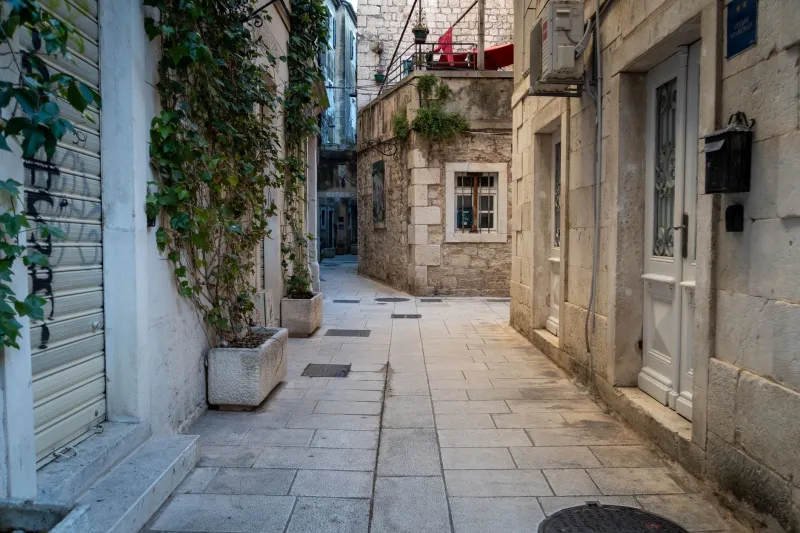
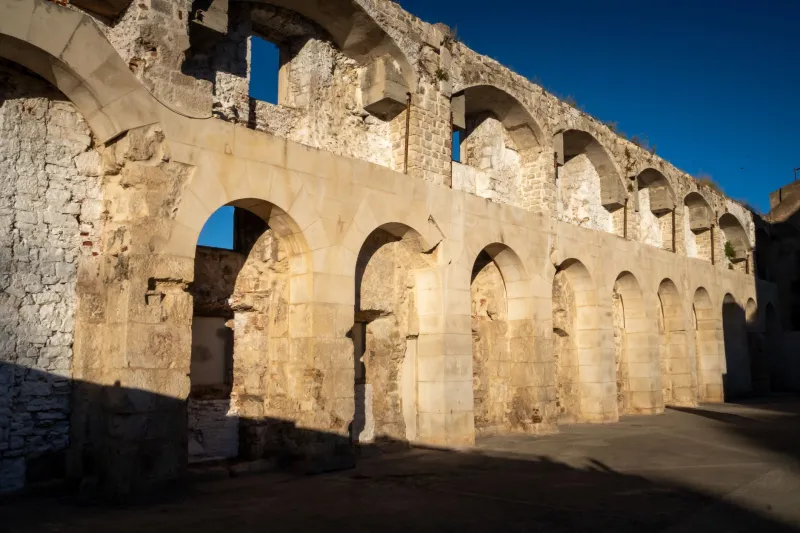
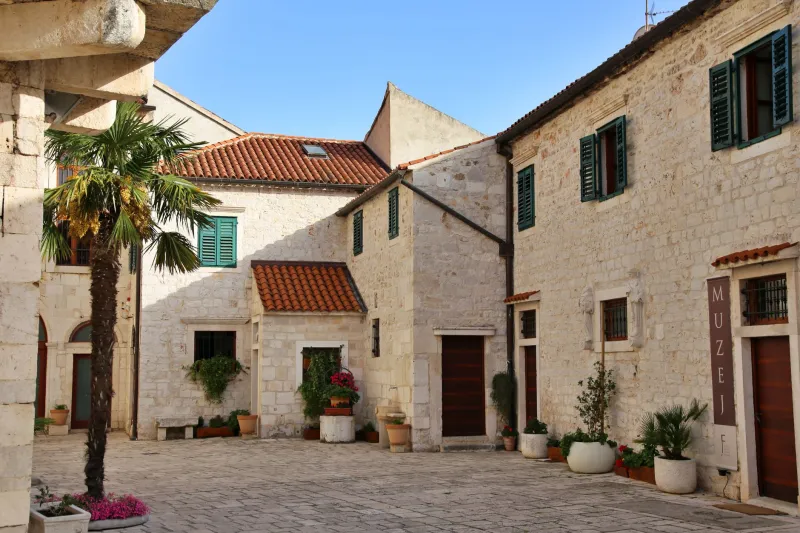
The town is not a music-industry destination. There are no famous studios, no legendary producers holding court, no A&R reps lurking at the bar. What there is, in abundance, is space — physical and psychological. Stone buildings that have been standing since before the United States existed. Landscapes that don't care about your streaming numbers. Restaurants where the conversation at the next table is in Croatian and nobody is tracking your career trajectory.
For bands carrying years of interpersonal baggage, that environment functions almost therapeutically. The distance from the American music ecosystem creates permission to be bad, to argue, to start over, to play badly for a week before playing well.
"When you're at home, there's always stakes," says the frontwoman of a folk duo that reunited after a six-year split and subsequently released an album that landed on several year-end lists. She agreed to speak generally about the Benkovac experience without identifying the group specifically. "Every rehearsal feels like it's being evaluated, even if it's just in your own head. In Benkovac, we were just two people in a room trying to figure out if we still made sense together musically. That's it."
What Makes or Breaks a Reunion
Bands that have used Benkovac as a reunion testing ground describe a surprisingly consistent set of experiences, even though they arrived at different times and for different reasons.
The first few days are typically rough. Years apart mean years of different musical influences, different personal rhythms, different ideas about where the sound should go. The initial rehearsals can feel like playing with a stranger who knows all your old material — technically familiar, emotionally alien.
Benkovac's particular gift, several artists suggest, is that it slows everything down. There's no schedule pressure because there's no schedule. There's no industry expectation to perform against. The town operates at its own pace — meals are long, evenings are quiet, the landscape doesn't hurry — and that pace has a way of bleeding into the music.
"By the end of the first week, we stopped trying to sound like we used to sound," says the guitarist from the indie rock act. "We started trying to sound like what we actually are now. That's when it started working."
Not every reunion attempt in Benkovac has succeeded. A few bands have made the trip, spent time working, and returned to the US quietly confirming that the reunion wasn't viable. Interestingly, musicians describe even those outcomes positively — the low-stakes environment meant that the failure happened privately, without the public awkwardness of a collapsed reunion announcement.
The Benkovac Factor in Commercial Success
For the bands that did find their footing in Croatia, the Benkovac period shows up in their subsequent work in ways that fans and critics have noticed without necessarily being able to name.
Albums recorded after a Benkovac reunion tend to sound less like bands trying to recapture their old sound and more like bands comfortable with what they've become. There's a looseness to the material, a willingness to leave space, that industry observers have attributed to the bands' obvious ease with each other — an ease that, in at least some cases, was built in a medieval stone town in the Dalmatian hinterland.
Here at Radio Benkovac, we've been watching this trend develop with obvious interest. The idea that this region — our region — functions as a kind of creative neutral ground where American artists can do their most honest, unguarded work is something we find genuinely meaningful. The town has always had a quality of stripping things down to what matters. It turns out that's exactly what a band trying to remember why they started needs.
"We came to Benkovac to figure out if we still had a band," says the folk duo frontwoman. "We left knowing we had something better — we had a reason."
The album they made afterward didn't just chart. It felt true. And apparently, that's what Benkovac does.