Loose Strings in a Stone Room: How Benkovac Is Handing American Jazz Its Soul Back
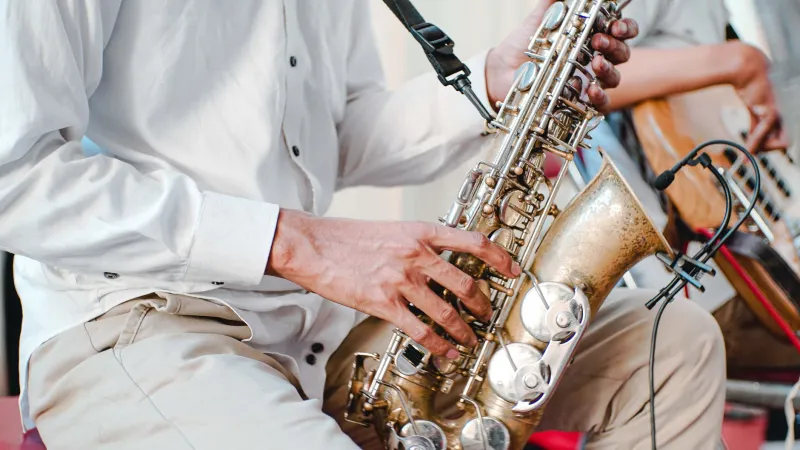
There's a moment that Chicago-based saxophonist Darnell Crews says he'll never stop talking about. He was mid-set inside a centuries-old stone building in Benkovac, Croatia — a space that doubles as a community hall and occasional concert venue — when he realized the room was doing something to his sound that no studio engineer had ever managed to pull off.
"The reverb wasn't clean," Crews told us over the phone from a tour stop in Denver. "It was messy. It was unpredictable. And I had to actually listen and adjust in real time. That's when I remembered what jazz is supposed to feel like."
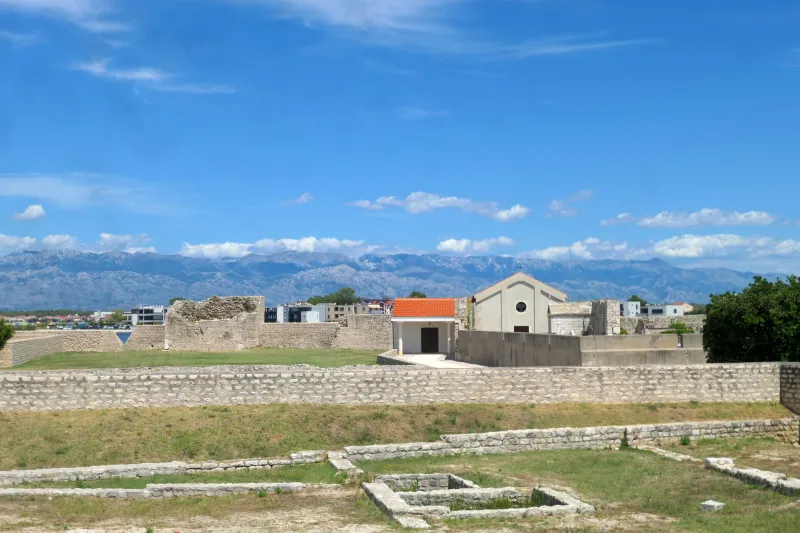
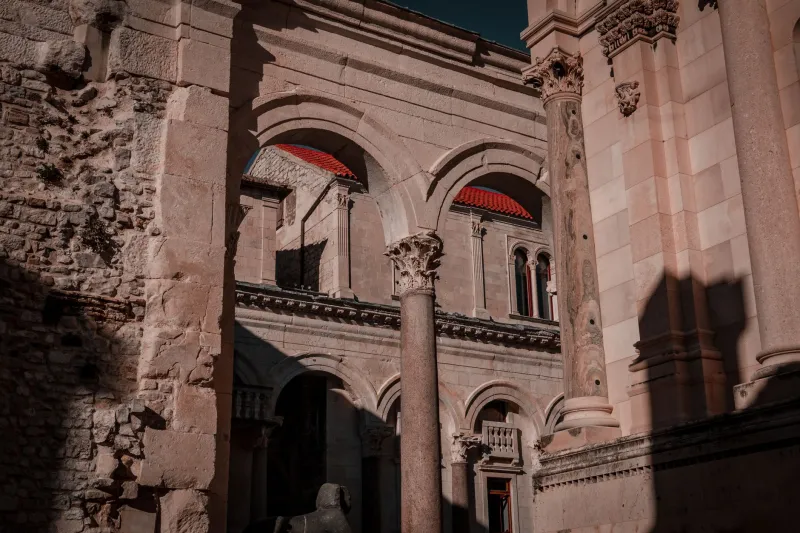
Crews is one of a growing number of American jazz musicians who've spent time performing or workshopping in Benkovac, a mid-sized town tucked into the Dalmatian hinterland of Croatia. It's not on the standard European jazz circuit. There's no famous festival attached to it, no marquee venue with a legendary sound system. What it has instead is stone — thick, ancient, acoustically unpredictable stone — and a kind of quiet that forces musicians to confront themselves without a safety net.
The Problem With Perfect
If you spend any time talking to working jazz musicians in America, you'll hear a version of the same complaint. Studios are too controlled. Live rigs are over-engineered. Audiences expect polish, so musicians deliver polish, and somewhere in that transaction the spontaneity that makes jazz jazz gets quietly strangled.
Production tools have made it easier than ever to fix mistakes after the fact, layer sounds, and smooth out the rough edges that once gave live jazz its electricity. The result, as more than a few artists have pointed out, is jazz that sounds great and feels like nothing.
"We've been solving problems that didn't need solving," says Brooklyn-based pianist Mara Osei, who spent three weeks in Benkovac last spring working on material for her next record. "Jazz was built on the idea that you don't know exactly where you're going. The second you over-plan it, you lose the whole point."
Osei didn't go to Benkovac for jazz specifically. She went because a friend recommended it as a quiet place to write. What she found was a series of informal performance opportunities — local gatherings, a small arts event, a restaurant owner who clears tables on weekends for live music — that put her in front of audiences with nothing between her and the room.
What the Walls Actually Do
Here's the thing about performing in a stone building that most musicians don't expect until they're standing inside one: you can't fake your way through it.
Modern acoustic treatment is designed to minimize the relationship between a performer and their environment. Foam panels, baffles, and digital reverb units all exist to give musicians control — to make the room irrelevant. Benkovac's old stone spaces do the opposite. They have opinions. They push back. A note that works in a carpeted American club will land completely differently inside walls that have been absorbing sound for four hundred years.
For jazz musicians specifically, that unpredictability functions as a kind of reset. You can't rely on your usual tricks. You have to improvise — actually improvise, not just play the scales you've practiced in the order you've practiced them.
"I caught myself playing things I've never played before," says Crews. "Not because I was being adventurous. Because the room was asking me questions I didn't have rehearsed answers for."
Several artists have described a similar phenomenon: the acoustic environment of Benkovac's stone venues creates a feedback loop between musician and space that mimics the best kind of live audience pressure. You feel the room responding. You adjust. The music moves.
Small Town, Big Listening
Beyond the acoustics, musicians who've spent time in Benkovac consistently mention something else: the audiences.
Benkovac isn't a music-tourist destination. People who show up to hear live music there aren't checking it off a bucket list or filming for Instagram. They're locals who came because there was something happening. That means they actually listen — and for jazz musicians accustomed to playing over the sound of cocktail orders, that kind of attention is almost disorienting.
"People were quiet," says Osei. "Not politely quiet. Actually engaged quiet. I could hear myself think between phrases. That changed everything about how I paced the set."
There's a Radio Benkovac angle to this too. As local broadcasts and online streams from the region have started carrying more live session content, American listeners are encountering jazz performances recorded in these spaces and responding in ways that polished studio tracks haven't managed to achieve. The rawness travels. Something about hearing a musician genuinely working through a moment — not presenting a finished product — lands differently.
Coming Back Changed
Neither Crews nor Osei is relocating to Croatia. But both say the Benkovac experience rewired something in how they approach their craft back home.
Crews has started doing stripped-down sets with minimal stage gear at smaller Chicago venues. Osei scrapped a third of the overdubs on her upcoming album after returning from Dalmatia. Both describe the shift in similar terms: less management of the music, more trust in the moment.
"I think a lot of us have been hiding behind our setups," Crews says. "Benkovac took the setup away. And what was left was either good or it wasn't. Turns out, when you have to commit, you play better."
For a genre that built its entire identity on the idea that the best music happens in the space between what's planned and what isn't, that's not a small thing. It might actually be the whole thing.
And it's happening in a medieval stone town in Croatia that most American jazz fans couldn't find on a map. Which, honestly, feels exactly right.