No Filter, No Problem: Why Benkovac's Raw Performance Videos Keep Breaking the Internet
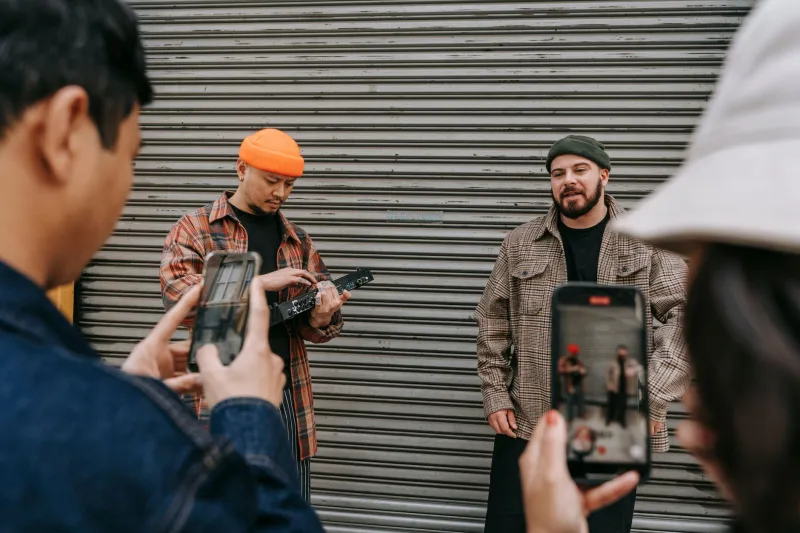
Somewhere between the fifteenth perfectly color-graded music video and the hundredth session recorded in a suspiciously pristine warehouse loft, American viewers apparently hit a wall. The evidence is showing up in the view counts of some very unexpected content — specifically, performance videos shot inside the old stone buildings and outdoor spaces of Benkovac, a small Croatian town most of the internet had never heard of until recently.
These aren't produced videos. There's no lighting director. In many cases, the audio is captured on a single decent microphone or even a phone. The performers aren't famous, or at least they weren't before the videos started circulating. And yet clip after clip from Benkovac is landing in the recommendation feeds of American YouTube users and TikTok scrollers and staying there, generating watch times that professional content teams would kill for.
So what's actually going on?
The Setup (Or Lack of One)
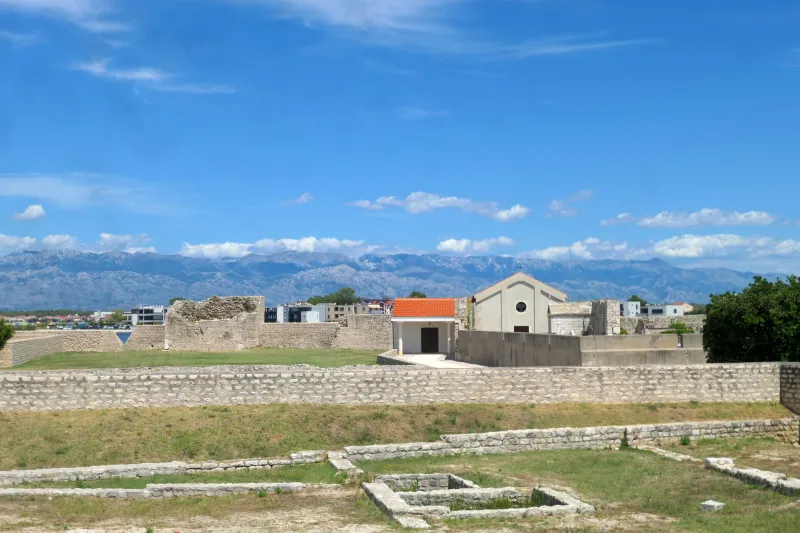
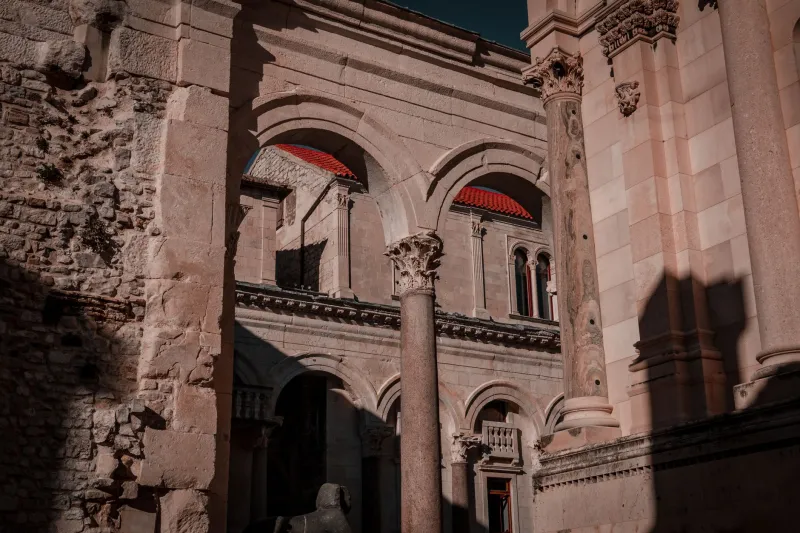
The Benkovac live-session format, such as it is, didn't start as a format at all. It started as documentation — local musicians and occasional visiting artists performing in spaces around town, filmed by whoever had a camera nearby. The stone interiors. The outdoor fortress walls. A courtyard at dusk. Someone playing guitar in what looks like a converted storage room with a single bare bulb.
The videos began appearing on YouTube and, eventually, TikTok, shared by musicians looking to document their time in the region. A few got picked up by music blogs. Some got reposted by accounts focused on European travel or independent music discovery. And then the numbers started doing something unexpected.
"I posted that video thinking maybe my existing followers would watch it," says Nashville-based singer-songwriter Jess Holloway, whose Benkovac session video accumulated over two million views in under three months. "I've posted videos from real studios with real budgets that didn't come close to that. I genuinely don't fully understand it."
What the Algorithm Sees
Here's where it gets interesting from a pure content mechanics standpoint. Conventional wisdom about video performance suggests that production quality correlates with engagement. Better lighting, better audio, better editing — all of that should theoretically translate to more watch time and more shares.
Benkovac's viral sessions are actively disproving that in real time.
Part of the explanation is technical. Platforms like YouTube and TikTok weight watch time heavily in their recommendation logic. A video that people watch all the way through — or rewatch — gets pushed regardless of production value. And something about the Benkovac footage keeps people watching.
The prevailing theory among content analysts who've looked at this pattern is that the imperfections are doing work. When a video is too polished, audiences process it as a product. They consume it. When there are ambient sounds — wind off the Dalmatian hinterland, the slight acoustic irregularities of stone walls, the occasional stumble and recovery in a performance — audiences engage with it differently. They lean in. They feel present in a way that production design actually prevents.
"There's a term in film called 'breaking the fourth wall,'" explains digital media researcher and music blogger Tariq Okonkwo, who wrote a widely shared piece on the phenomenon last year. "These videos kind of break it accidentally. You're not watching a presentation. You feel like you're there. That's incredibly rare in the current content environment, and audiences are starving for it."
The Fatigue Factor
It would be easy to frame this as a story about a quirky Croatian town accidentally gaming the algorithm. But the more you dig into it, the more it looks like something bigger — a genuine audience reckoning with what they actually want from music content.
American streaming and social media culture has spent the last decade optimizing music videos into near-oblivion. Every frame is intentional. Every audio element is controlled. Artists are styled, lit, and positioned within an inch of their artistic lives. The result is content that is technically flawless and emotionally inert.
Benkovac videos offer the opposite. A musician playing into a stone room has nowhere to hide. If the song isn't working, you know immediately. If it is working, you feel that too — and the feeling is unmediated by production choices designed to manufacture emotion artificially.
"People are exhausted by content that's trying to make them feel something," says Okonkwo. "They want to actually feel something. Those are completely different experiences."
Radio Benkovac and the Reach Question
From where we sit at Radio Benkovac, this trend has been fascinating to watch unfold. Content that originates here — live sessions, field recordings, performances captured in the town's distinctive acoustic environments — has always felt different from what you'd hear on a major-label release. That's not a limitation. Increasingly, it looks like a feature.
The region's sound has a texture to it. The stone, the open air, the particular quiet of the Dalmatian hinterland — these things aren't manufactured and they can't be replicated in a studio. When that texture shows up on a phone screen in Ohio or a laptop in Austin, it apparently registers as something real in a media environment drowning in artificial.
Jess Holloway, for her part, is already planning a return trip. She's bringing a slightly better microphone. Just slightly.
"I thought about going full production this time," she says. "Then I watched my video again and thought: absolutely not. Whatever that room did, I don't want to fix it."
Neither do the two million people who watched it.