No Algorithm Required: How Benkovac Built One of Europe's Most Loyal Online Music Scenes
There's a running joke around the Radio Benkovac studio: the algorithm has never heard of us, and honestly, we're fine with that.
While the music industry spent the last few years obsessing over TikTok dances and Spotify playlist placements, something quieter and arguably more interesting was happening in this small Dalmatian town tucked into the Krka hinterland. Local musicians and the radio station itself were building a genuinely dedicated international fanbase—one Discord message, one niche podcast appearance, and one late-night livestream at a time.
The numbers won't make headlines on Billboard. But the loyalty? That's a different story entirely.
Starting From Zero (and Staying Honest About It)
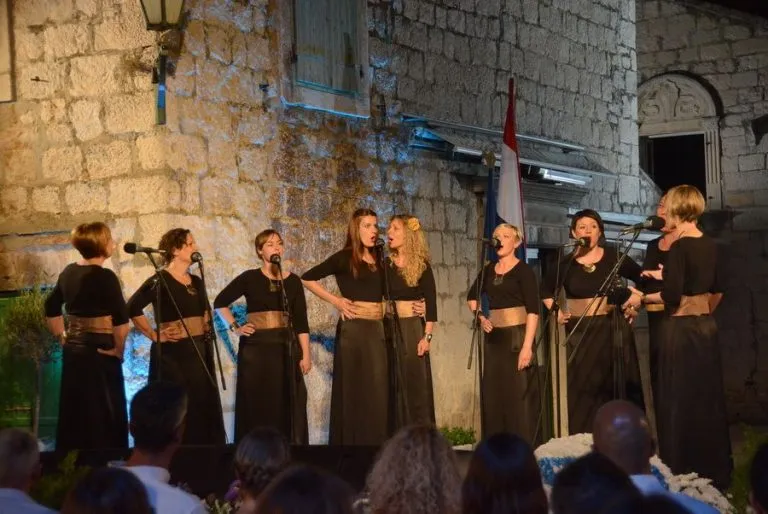
Benkovac isn't a music industry hub. There's no major label office here, no talent agency, no glossy showcase circuit. What there is, though, is a community of musicians who grew up playing traditional Dalmatian sounds alongside rock, folk, and electronic influences—and a local radio station that decided early on to actually talk to its listeners instead of just broadcasting at them.
"We never had the budget to compete on mainstream platforms," says one Radio Benkovac programmer who's been with the station since its early streaming days. "So we stopped trying to. We started asking ourselves: who actually wants to hear this music, and where are they hanging out online?"
The answer turned out to be everywhere—and nowhere obvious. Croatian diaspora communities in the US, Australia, and Germany. Folk music enthusiasts who'd stumbled onto Balkan sounds through a YouTube rabbit hole. Remote workers who'd visited Dalmatia on vacation and couldn't shake the feeling of the place. These weren't TikTok users waiting for a trending sound. They were people actively searching for something specific.
Discord: The Unlikely Heartbeat of the Community
If you want to understand how Benkovac's music scene built its global reach, start with its Discord server. What began as a casual space for local musicians to share demos and coordinate gigs has evolved into a multilingual community of several hundred members across a dozen countries.
American members—many of them Croatian-Americans from cities like Chicago, Cleveland, and Pittsburgh—use it to stay connected to the old country's sounds. Others are just music nerds who found their way in through a recommendation thread on Reddit's r/worldmusic.
"It doesn't feel like a fan page," says one member based in Portland, Oregon, who asked to stay anonymous. "It feels like a group chat with people who actually care about the same stuff. The artists are in there. They answer questions. Someone asked about the tuning on a specific gusle recording last month and got a fifteen-minute voice message explanation from the musician himself. Try getting that from a major label artist."
That directness is intentional. Local artists have learned that depth of connection beats breadth of exposure, at least when you're working without a marketing budget. A hundred listeners who genuinely love your music and talk about it constantly are worth more than ten thousand passive streams.
Niche Platforms and the Long Game
Bandcamp remains a cornerstone for several Benkovac-area musicians who've found that its listener base skews toward people who actually buy music—a shrinking but intensely loyal demographic. Releases get posted with extensive liner notes, sometimes in both Croatian and English, giving international listeners real context for what they're hearing.
Beyond Bandcamp, Radio Benkovac has cultivated relationships with a handful of world music podcast hosts and independent streaming curators who specialize in European folk and regional sounds. These aren't big names. But their audiences are exactly the right people.
"One placement on a podcast that maybe ten thousand people listen to, but who are all genuinely obsessed with Balkan music—that's worth more to us than a million impressions from people who'll forget us in three seconds," explains a local singer-songwriter who releases under a name that translates loosely to "stone and salt." Her last album sold out its limited physical run almost entirely to buyers in the United States and Germany.
What American Indie Musicians Can Actually Take From This
Here's the part that should matter to any independent artist grinding it out in Brooklyn or Nashville or Boise: the Benkovac approach isn't about geography. It's about philosophy.
Stop chasing the algorithm and start identifying your actual people. Not your potential audience—your actual audience. The ones who already respond to what you do. Build a space for them that feels more like a community than a content feed. Discord works. A well-run newsletter works. Even a consistent presence in the right subreddit or Facebook group works, if you're genuinely participating rather than just dropping links.
Be generous with context. Benkovac musicians talk about their instruments, their influences, the specific valleys and coastlines that shape their sound. That storytelling is magnetic to the right listener. It creates connection that a thirty-second clip never can.
And take the long view. The musicians here aren't going viral. They're building catalogs, relationships, and reputations that compound slowly. Three years in, they have fans who've flown to Croatia specifically to see them play. That doesn't happen by accident, and it doesn't happen overnight.
The Radio Station as Community Hub
Radio Benkovac's own role in all this is worth noting. Rather than functioning purely as a broadcaster, the station has positioned itself as a connector—hosting listening sessions, facilitating introductions between local artists and international collaborators, and platforming conversations about the music rather than just the music itself.
It's a model that public radio stations in the US used to follow more closely, before the pressure to compete with streaming services pushed everyone toward safe, familiar playlists. There's something refreshing about watching a small station in Dalmatia remind the world what community radio can actually be.
No algorithm required. Just people who care, talking to other people who care.
And honestly? That sounds like a pretty good formula to us.